
Over to You

Stop carrying their whole day in your head.

Over to You helps them take it from here.

You stop carrying all of the reminding, the timing, and the checking by yourself. Your kid picks it up, one step at a time, at the age they should be learning to own their day. Made by an autistic, ADHD mom who needed it first.

Get Over to You for $9

Launch price through December 31: $9 once for up to 3 kids. iPhone, iPad, and Android.

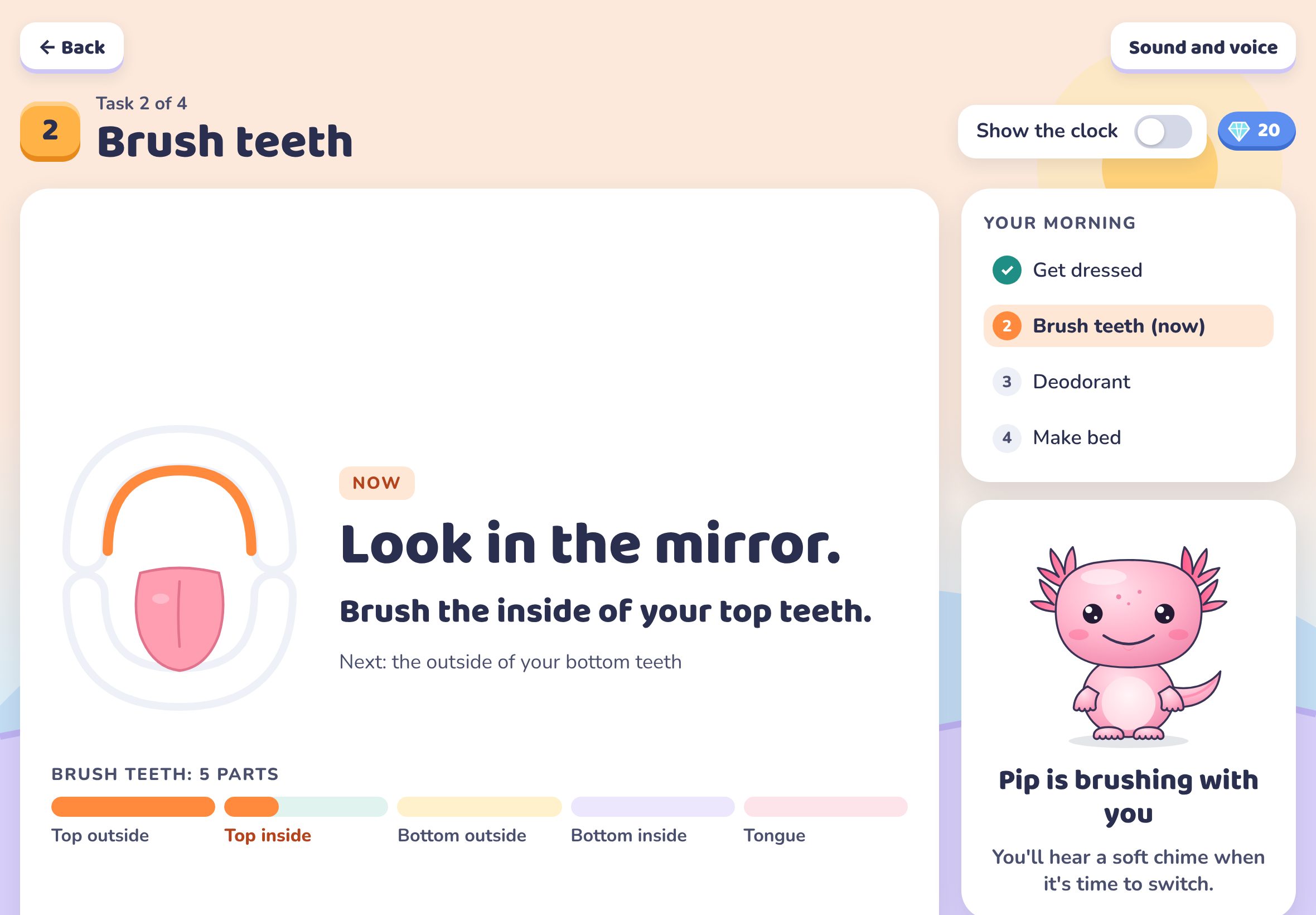
Over to You on a tablet: a brushing step with a mouth map and Pip the axolotl
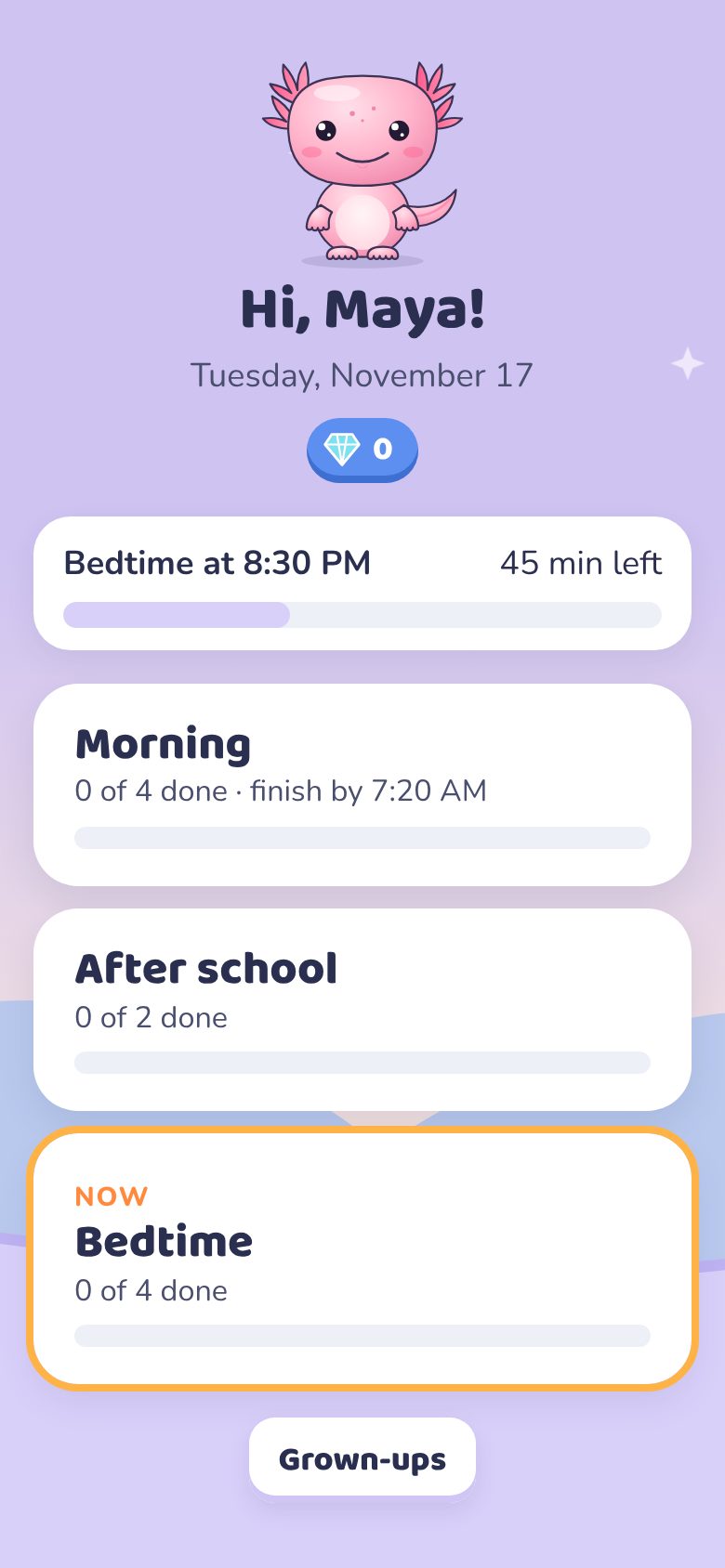
Over to You on a phone in the evening, with the bedtime countdown

If you're the one holding it all

You're keeping track of your day, their day, and the clock, with a brain that already works harder at one of those.

  • You're the executive function for more than one person. You remember for them, get them started, and watch the time for them, whether it's one kid or three, while you're still trying to do all of it for yourself.
  • The reminding never ends. "Go put your shoes on," and ten minutes later you find them with one shoe on, reading a book.
  • The clock becomes the distraction. Set a timer and they race to beat it instead of doing the job well, and you end up having the same talk again. For a lot of kids, especially kids with ADHD, the quick win pulls harder than the finished task, and research on how they weigh time and rewards says the same.
  • The consequences don't stick. You take away something they love, the guilt kicks in, and it comes back before the week is out.

Why I built Over to You

I'm Devon. I'm autistic, I have ADHD, and I'm a single mom. You can probably see where this is going.

I knew my brain worked differently long before anyone gave it a name. When I finally got the words for it as a young adult, everything made sense. Then I became a mom, and every part of it got louder.

Time doesn't behave for me. I sit down for a one-hour task and look up six hours later, and I plan extra time for everything because of it.

What I couldn't plan around was holding two days at once, mine and my daughter's, with nobody to hand any of it off to.

My daughter is nine, the age where she should be taking on more of her own day. She also gets distracted fast, and a five-minute task can turn into fifteen.

I'd remind her, go back to what I was doing, lose my focus, and come back to find her doing something else. Getting my own work done is hard enough for me without starting over every ten minutes.

I was grasping at straws. I took away things she loved, then gave them back when the guilt hit. Staying consistent was one more thing my brain had to hold.

Brushing her teeth was the hardest one. It took her ten or fifteen minutes because she'd be looking at things around the bathroom or going through her drawers, and her breath still wasn't clean when she came out.

I built her an app instead.

The first time she used it, it walked her through brushing one part at a time, with a timer for each part. She stayed with it, nobody argued, and nobody had to do a breath check. She did it right, and she did it on her own.

I want to give my daughter better than what I had. Reminding her is still part of my job at this age, and I'm still the one guiding her. The difference is I'm not doing all of it alone anymore.

I built Over to You for my own house first. I'm sharing it because I know I'm not the only one.

- Devon

I was trying to be the clock, the checklist, and the memory for two people, with a brain that already works overtime for one.
Meet your buddies

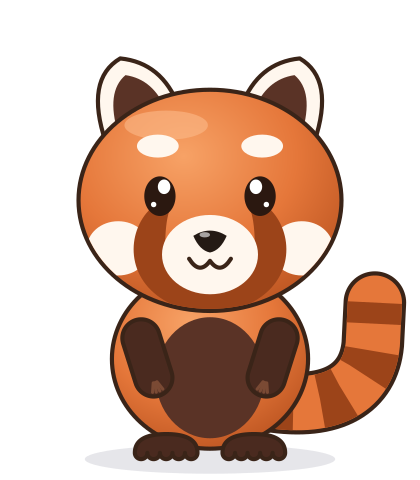
They started as my daughter's favorite animals. Your kid picks one to cheer them on.

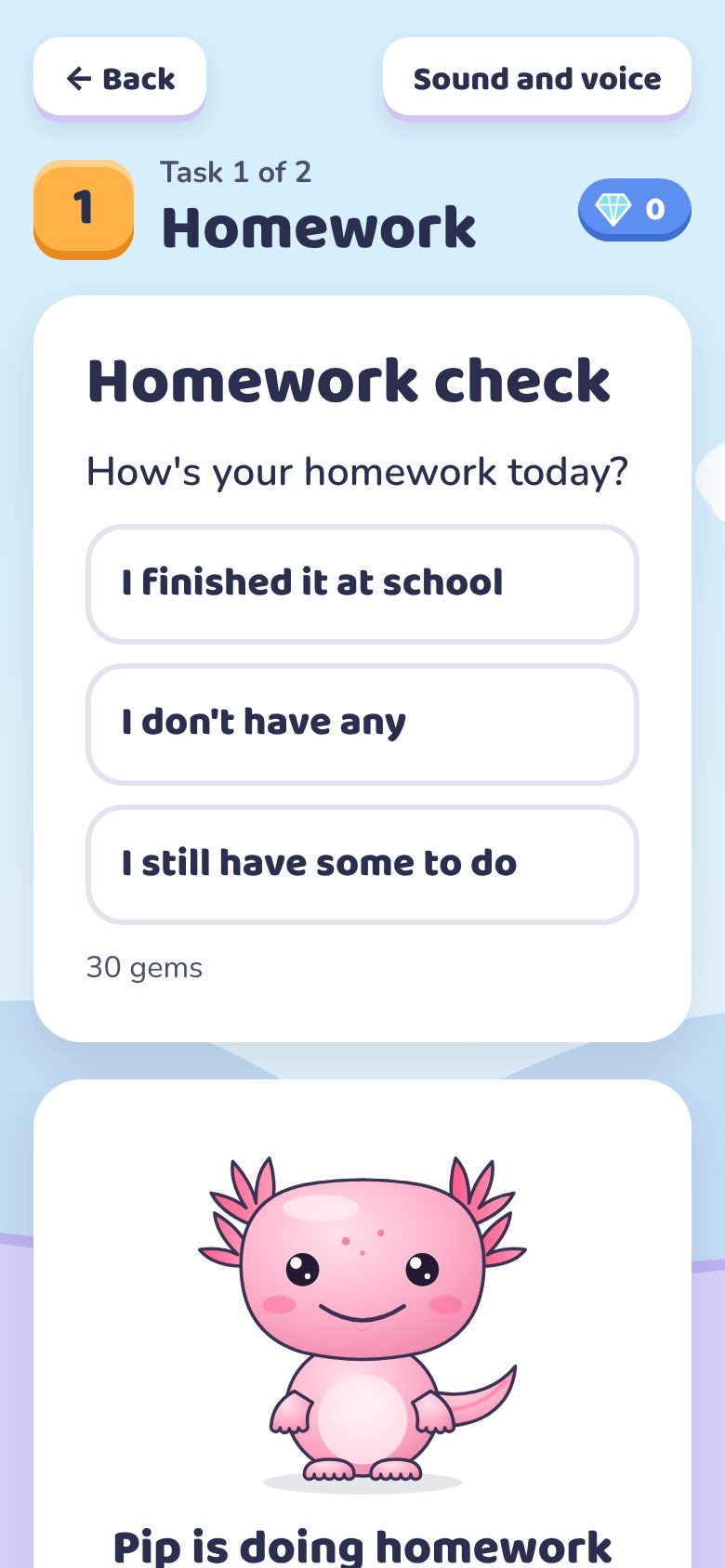
Over to You on a phone: the homework check, where the kid says how their homework is going

The in-between years

Somewhere between 7 and 12, kids start wanting to do things themselves. They're old enough to own their routines, and most of them still aren't ready to do it without help.

Child development researchers describe how kids get there: adults help with the hard parts first, then step back a little at a time as the child is ready to handle more.

30%

is how far behind age self-control can run in ADHD, by one leading researcher's estimate. A ten-year-old may need the support you'd give a seven-year-old, and that says nothing about effort or attitude.

Over to You gives them that support without it all having to come from you. It walks them through each step until they know it, and as they need less help, you take steps away.

Psychologists have found that a kid's belief in "I can do this" grows most from doing it and succeeding, over and over. Every task they finish on their own adds to it.

That's what you're handing over: their routine, and the confidence that comes from running it themselves.

Sources: Harvard Center on the Developing Child; Russell Barkley on the "30% rule" in ADHD; Albert Bandura on mastery experiences.

Made for how our brains work

Every part of it comes from living with an autistic, ADHD brain while raising a kid who's learning to do more on their own.

Help where the task happens

The next step shows up on the screen right when they need it. ADHD researchers call this the point of performance, and it's where support works best.

Time they can see

A bar that empties as time runs out, and a bedtime countdown that shows how much evening is left. For a brain that doesn't feel time passing, seeing it helps.

One small step at a time

Big jobs are broken into small parts, and every step can be read out loud. Nobody has to hold the whole list in their head.

Easy on the ears

A soft chime, a voice, or music tells them when to switch. No loud alarms.

Source: Russell Barkley on the point of performance in ADHD.

What changes for both of you

For you

  • You don't have to keep track of their time when your own sense of time already slips. A bar on their screen shows them how much is left.
  • When you forget to remind them, and some days you will, the app doesn't forget.
  • You can stay with your own work while they do theirs, instead of losing your place every time you stop to check on them.
  • Staying consistent doesn't depend on your executive function anymore. They earn rewards, the rules don't change, and you're not taking things away and giving them back.

For them

  • They know what's next and how much time is left, so they stop needing you for every next step.
  • They learn to run their own routine at the age they should be starting, and every task they finish on their own builds their confidence.
  • When a day is hard, they can pause or say "I'm stuck" and get help without losing anything.
  • They earn the things they love by doing the work, and they always know what it takes to earn them.

Over to You helps with the part that wears you down, the constant reminding and checking. You still get to guide them, with a lot less on your plate, while they grow into doing it themselves.

Launch price

$9 once

Launch price through December 31.

Get Over to You

Secure checkout.

Everything that comes with it

  • Up to 3 kids
  • Up to 4 devices
  • Every update, free
  • No in-app purchases. Gems are points kids earn and can't be bought.

FAQ

Is this only for neurodivergent kids?

No. It was built by an ND mom with ND families in mind, and it works for any kid 7 to 12 who could use a hand.

Is this in the App Store or Google Play?

No. It opens from a link in your web browser.

How do I get it after I buy?

You get an email with everything you need to set it up.

What ages is it for?

Kids 7 to 12. Every task can be read out loud.

Which devices does it work on?

iPhone and iPad using Safari, with iOS or iPadOS 17 or newer. Android phones and tablets using Chrome.

Do I need an account? Where is our information kept?

No account and no login. Everything stays on your device, and we never see it.

What if it's not right for us?

Email us within 7 days of buying for a full refund. See the refund policy.